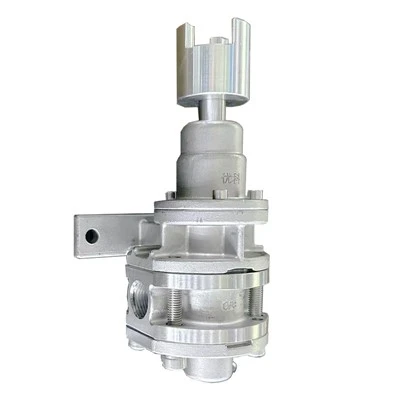
In the world of fluid transfer and pumping systems, various types of pumps serve different purposes based on the nature of the fluids they handle and the specific requirements of the applications. As a supplier of Asphalt Gear Pumps, I've witnessed firsthand the unique characteristics that set these pumps apart from other types. This blog post aims to delve into the key differences between Asphalt Gear Pumps and other common pump types, highlighting their advantages and applications.
Understanding the Basics of Pump Types
Before we explore the distinctions of Asphalt Gear Pumps, it's essential to have a brief overview of some other popular pump types. Centrifugal pumps are perhaps the most widely used pumps in many industries. They work by converting rotational kinetic energy from an impeller into hydrodynamic energy of the fluid flow. These pumps are known for their high flow rates and are suitable for handling low - viscosity fluids such as water.
Positive displacement pumps, on the other hand, operate by trapping a fixed amount of fluid and then forcing (displacing) that trapped volume into the discharge pipe. This category includes piston pumps, diaphragm pumps, and gear pumps. Each type within this category has its own unique design and application areas.
Key Differences between Asphalt Gear Pumps and Other Pumps
Viscosity Handling
One of the most significant differences between Asphalt Gear Pumps and other pumps lies in their ability to handle high - viscosity fluids. Asphalt is a highly viscous material, especially at lower temperatures. Centrifugal pumps struggle with high - viscosity fluids because the increased viscosity reduces the pump's efficiency and can cause significant head losses. As the viscosity of the fluid increases, the impeller in a centrifugal pump has to work harder to move the fluid, leading to higher energy consumption and potentially overheating the motor.
In contrast, Asphalt Gear Pumps are designed specifically to handle high - viscosity fluids like asphalt. The meshing gears in a gear pump create a series of sealed cavities that trap the asphalt and move it from the inlet to the outlet. This positive displacement action allows the pump to maintain a consistent flow rate regardless of the fluid's viscosity. Whether the asphalt is thick and sticky or in a more fluid state, an Asphalt Gear Pump can effectively transfer it.
Flow Rate and Pressure Control
Asphalt Gear Pumps offer excellent control over flow rate and pressure. In positive displacement pumps like gear pumps, the flow rate is directly proportional to the pump's speed. By adjusting the rotational speed of the gears, the operator can precisely control the amount of asphalt being pumped. This is crucial in applications where a specific volume of asphalt needs to be delivered at a consistent rate, such as in road construction or asphalt mixing plants.
Centrifugal pumps, however, have a more complex relationship between flow rate and pressure. As the flow rate increases in a centrifugal pump, the pressure head typically decreases. This makes it more challenging to maintain a constant flow rate and pressure simultaneously, especially when dealing with varying system demands.
Self - Priming Capability
Self - priming is an important feature in many pumping applications, especially when the pump is located above the fluid source. Asphalt Gear Pumps are generally self - priming. The meshing gears create a vacuum at the inlet as they rotate, which draws the asphalt into the pump. This self - priming ability eliminates the need for additional priming equipment, simplifying the installation process and reducing the overall cost of the pumping system.
Many centrifugal pumps, on the other hand, are not self - priming and require external priming mechanisms. This can be a significant drawback in applications where the pump needs to be started and stopped frequently or where the fluid source may not be continuously available.
Durability and Maintenance
Asphalt Gear Pumps are built to withstand the harsh conditions associated with handling asphalt. The gears are typically made from high - strength materials that can resist wear and corrosion caused by the abrasive nature of asphalt. The simple design of gear pumps also means that there are fewer moving parts compared to some other pump types, reducing the likelihood of mechanical failure.


Maintenance of Asphalt Gear Pumps is relatively straightforward. Regular inspection of the gears, seals, and bearings is usually sufficient to ensure the pump's proper operation. In case of a component failure, replacement parts are often readily available and can be easily installed.
Centrifugal pumps, with their more complex impeller and volute designs, may require more frequent maintenance. The impeller can be damaged by debris in the fluid, and the seals and bearings need to be carefully maintained to prevent leaks and ensure efficient operation.
Applications of Asphalt Gear Pumps
The unique characteristics of Asphalt Gear Pumps make them ideal for a variety of applications.
Road Construction
In road construction, Asphalt Gear Pumps are used to transfer asphalt from storage tanks to paving machines. The ability to handle high - viscosity asphalt and provide precise flow control ensures that the asphalt is evenly distributed on the road surface. Whether it's a small residential road or a large highway project, these pumps play a crucial role in ensuring the quality of the asphalt paving.
Asphalt Mixing Plants
Asphalt mixing plants require a reliable pumping system to deliver asphalt to the mixing chamber. Asphalt Gear Pumps can accurately measure and deliver the required amount of asphalt, ensuring the proper ratio of asphalt to aggregates in the final mix. This is essential for producing high - quality asphalt mixtures that meet the strict standards of the construction industry.
Petrochemical Industry
In the petrochemical industry, Asphalt Gear Pumps are used for conveying asphalt and other high - viscosity petrochemical products. The self - priming capability and high - pressure handling make these pumps suitable for transferring these fluids over long distances and through complex piping systems.
Our Product Offerings
As a supplier of Asphalt Gear Pumps, we offer a range of high - quality products to meet the diverse needs of our customers. Our Customized Electric Heat System Gear Metering Pump is designed with an electric heat system to maintain the asphalt at the optimal temperature, ensuring smooth operation even in cold environments.
Our Heat Preservation Asphalt Gear Metering Pump features advanced heat preservation technology, which helps to prevent the asphalt from solidifying inside the pump. This is particularly important in applications where the pump may be idle for extended periods.
The Conveying Asphalt Petrochemical Heat Preservation Gear Pump is specifically designed for the petrochemical industry, offering high - pressure capabilities and reliable performance in harsh operating conditions.
Conclusion
In conclusion, Asphalt Gear Pumps differ significantly from other types of pumps in terms of their ability to handle high - viscosity fluids, control flow rate and pressure, self - prime, and their durability and maintenance requirements. These unique features make them the preferred choice for applications involving asphalt and other high - viscosity materials.
If you are in need of a reliable pumping solution for your asphalt transfer needs, we invite you to contact us for a detailed discussion. Our team of experts can help you select the right pump for your specific application and provide you with all the necessary support throughout the installation and operation process.
References
- Karassik, I. J., Messina, R. S., Cooper, P. T., & Heald, C. C. (2008). Pump Handbook. McGraw - Hill.
- Gulich, J. F. (2010). Centrifugal Pumps. Springer.
- Stepanoff, A. J. (1957). Centrifugal and Axial Flow Pumps: Theory, Design, and Application. Wiley.