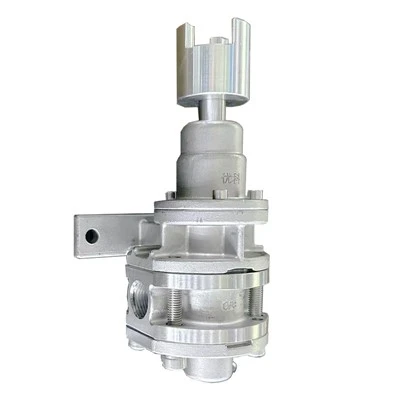
As a supplier of Heat Preservation Gear Pumps, I've witnessed firsthand the challenges that industries face when dealing with high - viscosity fluids. High - viscosity fluids, such as heavy oils, polymers, and some chemical compounds, present unique problems in pumping operations. In this blog, I'll share some effective strategies on how to deal with high - viscosity fluids in a heat preservation gear pump.
Understanding High - Viscosity Fluids
Before we delve into the solutions, it's essential to understand the nature of high - viscosity fluids. Viscosity is a measure of a fluid's resistance to flow. High - viscosity fluids have a thick, syrupy consistency, which means they don't flow easily. This characteristic can cause a series of issues in a gear pump, including increased power consumption, reduced flow rates, and potential wear and tear on the pump components.
Challenges in Pumping High - Viscosity Fluids
- Power Requirements: High - viscosity fluids demand more energy to move through the pump. The gears in the pump have to work harder to displace the thick fluid, leading to higher power consumption. This not only increases operational costs but also puts more stress on the pump motor, potentially reducing its lifespan.
- Flow Rate Reduction: The thick nature of high - viscosity fluids restricts their flow through the pump. As a result, the flow rate is often lower than what is achievable with low - viscosity fluids. This can slow down production processes and affect overall efficiency.
- Wear and Tear: The increased resistance from high - viscosity fluids can cause excessive wear on the gear teeth, bearings, and other internal components of the pump. Over time, this can lead to leaks, decreased pump performance, and ultimately, pump failure.
Strategies for Dealing with High - Viscosity Fluids
1. Temperature Control
One of the most effective ways to handle high - viscosity fluids is by controlling the temperature. Viscosity is highly dependent on temperature; as the temperature increases, the viscosity of most fluids decreases. A heat preservation gear pump is designed to maintain a consistent temperature within the pump, which helps to reduce the viscosity of the fluid.
By using a heat source, such as a jacketed pump housing or an internal heating element, the fluid can be kept at an optimal temperature. This not only improves the flow characteristics of the fluid but also reduces the power required to pump it. For example, in the petrochemical industry, where heavy oils are commonly pumped, maintaining the right temperature can significantly enhance pump performance.


2. Proper Pump Selection
Choosing the right heat preservation gear pump is crucial when dealing with high - viscosity fluids. Different pumps have different capabilities in terms of viscosity handling. Factors to consider include the pump's size, gear design, and material of construction.
For high - viscosity applications, a pump with larger gears and a more robust design is often preferred. Larger gears can displace more fluid with each rotation, compensating for the reduced flow rate caused by the high viscosity. Additionally, the pump should be made of materials that can withstand the increased wear and tear associated with high - viscosity fluids. Our Double Wall External Gear Metering Pump is an excellent choice for such applications, as it is designed to handle high - viscosity fluids efficiently.
3. Pre - Treatment of Fluids
Pre - treating the high - viscosity fluid before it enters the pump can also improve pump performance. This can involve processes such as blending the fluid with a lower - viscosity solvent or using a mechanical agitator to break up any large particles or clumps in the fluid.
Blending with a solvent can reduce the overall viscosity of the fluid, making it easier to pump. However, this method requires careful consideration of the compatibility of the solvent with the fluid and the pump materials. Mechanical agitation can help to ensure a more uniform flow of the fluid, reducing the risk of blockages in the pump.
4. Regular Maintenance
Regular maintenance is essential for ensuring the long - term performance of a heat preservation gear pump when dealing with high - viscosity fluids. This includes checking the temperature control system, inspecting the gears and bearings for wear, and replacing any damaged components.
The heat preservation system should be regularly calibrated to ensure that the fluid is maintained at the correct temperature. The gears and bearings should be lubricated properly to reduce friction and wear. Additionally, the pump should be cleaned periodically to remove any build - up of fluid residue, which can affect pump performance.
Application Examples
Petrochemical Industry
In the petrochemical industry, high - viscosity fluids such as crude oil and heavy fuel oils are commonly pumped. Our Petrochemical Gear Metering Pump is specifically designed for these applications. By maintaining a consistent temperature using the heat preservation system, the viscosity of the oil is reduced, allowing for efficient pumping. This helps to ensure a smooth and continuous flow of oil through the production process.
Polymer Industry
The polymer industry also deals with high - viscosity fluids, such as molten polymers. These fluids are often very thick and difficult to pump. Our Heat Preservation Gear Metering Pump can be used to handle these polymers by keeping them at an elevated temperature, which reduces their viscosity and enables accurate metering and pumping.
Conclusion
Dealing with high - viscosity fluids in a heat preservation gear pump requires a combination of proper pump selection, temperature control, pre - treatment of fluids, and regular maintenance. By implementing these strategies, industries can overcome the challenges associated with high - viscosity fluids and ensure the efficient operation of their pumps.
If you are facing challenges with pumping high - viscosity fluids or are looking for a reliable heat preservation gear pump, we are here to help. Our team of experts can provide you with customized solutions based on your specific requirements. Contact us to start a procurement discussion and find the best pump for your application.
References
- "Fluid Mechanics" by Frank M. White.
- "Pump Handbook" by Igor Karassik.
- Industry reports on high - viscosity fluid pumping applications.