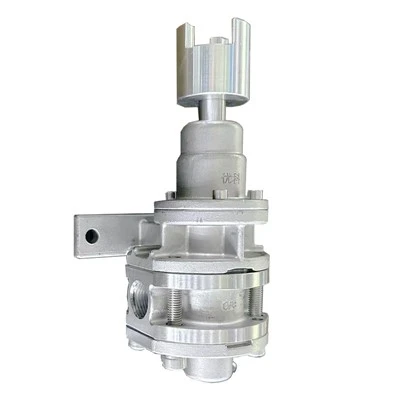
As a trusted supplier of Gear Metering Pumps, I understand the importance of precise fluid metering in various industrial applications. One of the key features of our variable - displacement gear metering pumps is the ability to adjust the displacement according to specific operational requirements. In this blog post, I'll share some insights on how to adjust the displacement of a variable - displacement gear metering pump.
Understanding Variable - Displacement Gear Metering Pumps
Before delving into the adjustment process, it's essential to have a basic understanding of variable - displacement gear metering pumps. These pumps work on the principle of positive displacement, where the fluid is trapped between the gears and the pump housing and then transported from the inlet to the outlet. The displacement of a pump refers to the volume of fluid that the pump can deliver per revolution of the gears. A variable - displacement pump allows this volume to be changed, providing flexibility in flow rate control.
Our product range includes Polyurethane Adhesive Universal Gear Metering Pump, Motor Gear Pump, and Polyurethane Glue Metering Pump, all of which offer variable - displacement capabilities to meet different industrial needs.
Factors Influencing Displacement Adjustment
Several factors need to be considered when adjusting the displacement of a variable - displacement gear metering pump.
- System Requirements: The first step is to determine the flow rate and pressure requirements of the system. This will depend on the specific application, such as in adhesive dispensing, chemical processing, or lubrication systems. For example, in a polyurethane adhesive application, the flow rate needs to be precisely controlled to ensure proper bonding.
- Fluid Properties: The viscosity, density, and temperature of the fluid being pumped also play a crucial role. High - viscosity fluids may require a different displacement setting compared to low - viscosity fluids. Temperature can affect the fluid's viscosity, so it's important to monitor and adjust the displacement accordingly.
- Pump Design: Different pump designs have different methods of displacement adjustment. Some pumps use a mechanical mechanism, such as an adjustable eccentric, while others may use a hydraulic or electronic control system. Understanding the pump's design is essential for making accurate adjustments.
Steps to Adjust the Displacement
Mechanical Adjustment
- Locate the Adjustment Mechanism: In pumps with a mechanical adjustment mechanism, such as an adjustable eccentric, locate the access point. This is usually marked on the pump housing. Refer to the pump's user manual for specific instructions.
- Make Small Adjustments: Use the appropriate tool, such as a wrench or a screwdriver, to make small adjustments to the eccentric. Turn the adjustment mechanism in small increments, typically a fraction of a turn at a time.
- Monitor the Flow Rate: After each adjustment, monitor the flow rate of the pump. This can be done using a flow meter installed in the system. Compare the measured flow rate with the desired flow rate.
- Repeat the Process: If the flow rate is not within the desired range, make further adjustments. It may take several iterations to achieve the precise displacement.
Hydraulic or Electronic Adjustment
- Understand the Control System: In pumps with hydraulic or electronic control systems, familiarize yourself with the control panel or interface. This may involve setting parameters such as the displacement percentage or the flow rate setpoint.
- Set the Desired Parameters: Use the control panel to enter the desired displacement or flow rate. Some systems may require you to enter additional information, such as the fluid properties or the system pressure.
- Calibrate the System: Once the parameters are set, the system may need to be calibrated. This involves running the pump and adjusting the control system to ensure that the actual flow rate matches the setpoint. Follow the calibration procedure outlined in the user manual.
- Test and Fine - Tune: After calibration, test the pump under normal operating conditions. Monitor the flow rate and make any necessary fine - tuning adjustments to the control parameters.
Troubleshooting
During the displacement adjustment process, you may encounter some issues. Here are some common problems and their solutions:
- Inconsistent Flow Rate: If the flow rate is inconsistent, check for leaks in the system. A leak can cause a loss of pressure and affect the flow rate. Also, ensure that the adjustment mechanism is properly tightened and that there is no excessive wear on the gears or other components.
- Difficulty in Adjustment: If you are having difficulty making adjustments, the adjustment mechanism may be stuck or damaged. Inspect the mechanism for any signs of damage or debris. Clean or replace the affected parts if necessary.
- Over - or Under - Displacement: If the displacement is too high or too low, double - check the adjustment settings. Make sure that you are using the correct units and that the control system is functioning properly.
Importance of Regular Maintenance
Regular maintenance is crucial for ensuring the proper functioning of the variable - displacement gear metering pump. This includes cleaning the pump, checking for wear and tear, and lubricating the moving parts. A well - maintained pump will have a longer service life and will be more accurate in its displacement adjustment.


Conclusion
Adjusting the displacement of a variable - displacement gear metering pump is a precise process that requires a good understanding of the pump's design, the system requirements, and the fluid properties. By following the steps outlined in this blog post and performing regular maintenance, you can ensure that your pump operates at its optimal performance.
If you are in the market for a high - quality Gear Metering Pump or need assistance with displacement adjustment, we are here to help. Our team of experts can provide you with the technical support and guidance you need. Contact us to discuss your specific requirements and explore our range of Polyurethane Adhesive Universal Gear Metering Pump, Motor Gear Pump, and Polyurethane Glue Metering Pump.
References
- Pump Manufacturer's User Manuals
- Industrial Fluid Handling Handbook
- Technical Papers on Positive Displacement Pumps