


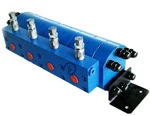
Melt Gear Pump
Why choose us
Company strength
Our company covers an area of 26,000 square meters, with 5 CNC machining centers; 6 CNC lathes; 6 CNC milling machines; 5 CNC grinders; and 30 other CNC equipment.
Professional team
We have an excellent and experienced workforce capable of providing customers with high-quality products, professional technical consultation and comprehensive services.
Our certifications
Now it has more than 20 patents, passed ISO9000 certification, and its products have passed CE certification.
Advanced equipment
Our company has advanced production and testing equipment to provide you with the best products.
What is Melt Gear Pump
Melt gear pumps are used to establish constant pressure and ensure constant output. The extruder screw has been lightened, which allows for higher output and increased flexibility for different applications. The plastic melt is pumped smoothly, efficiently and continuously through the extrusion die, ensuring stable product quality and size. Retrofitting extrusion lines with melt gear pumps brings several advantages. First, it ensures constant throughput, which is crucial to achieving dimensional stability of extruded products. By eliminating fluctuations in the extrusion process, melt gear pumps ensure stable output, thereby reducing the risk of product dimensional variation.

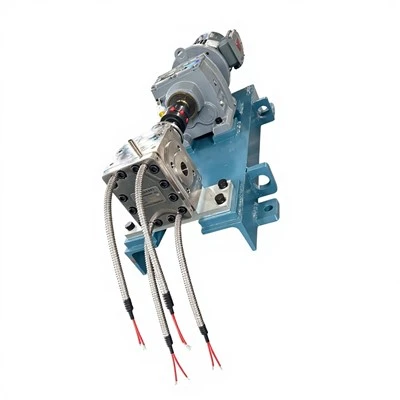


Melt gear pumps are used in a variety of processes in the polymer industrial industry.
Widely used in plastic, resin, rubber, chemical fiber and other industries.
The temperature range of the conveyed material is as low as minus 50℃ and the highest can reach 400℃;
The viscosity of the conveyed material is from 1mpa.s to 40000pa.s.
The inlet pressure of melt gear pump is as low as vacuum 0.09mpa, the max outlet pressure reaches 40mpa.
The melt gear pump produced by our company has the characteristics of precise structure, high precision, small pulsation and long service life.
According to different working conditions and material properties, we provide customers with different product series to meet various application requirements.
Benefits of Melt Gear Pump
The melt gear pump is compact and consists of only two gears, the pump body and the front and rear covers. Therefore, compared with other pumps, the melt gear pump has a small weight, which is convenient for daily transportation and does not require much labor. It is also because of its light weight, the melt gear pump is more convenient to use, and it is more convenient when the work content is the same. At the same time, because of its simple structure and fewer components, it is more convenient to repair when problems are encountered.
Compared with the conventional pump, the melt gear pump is smaller in weight and easy to transport, which saves transportation costs to some extent. In addition, the melt gear pump is cheaper because of its simple structure and lower manufacturing cost. The maintenance procedure is simple in the future and the maintenance cost is low. Therefore, in general, melt gear pumps are more economical and can effectively save costs.
In fact, the fluid loss in the melt gear pump is small. Although some of the fluid is used to lubricate both sides of the bearing and gear, the pump body can never be fitted without clearance, resulting in a melt gear pump operating efficiency of 100%. However, the pump can still operate well and can achieve an efficiency of 93% to 98%.
If the viscosity or density of the fluid changes, the melt gear pump will not be affected too much. If a strainer or a restrictor is placed on the side of the discharge port, the melt gear pump will push the fluid through them. If the filter is dirty or clogged, the melt gear pump will still maintain a constant flow until it reaches the mechanical limit of the weakest part of the unit. This also causes the melt gear pump to be insensitive to oil contamination and is more suitable for use in petrochemical industries.
Application of Melt Gear Pump
Chemical Industry
Melt Gear pumps play a crucial role in the chemical industry for the transfer of various chemicals, including acids, solvents, and corrosive liquids. Their ability to handle a wide range of viscosities and maintain a steady flow makes them suitable for chemical processing, blending, and metering applications. Additionally, gear pumps offer excellent chemical compatibility, ensuring the safe and efficient handling of hazardous substances.
Oil and Gas Industry
In the oil and gas industry, Melt gear pumps are utilized for applications such as lubrication, hydraulic systems, and fuel transfer. These pumps can handle viscous oils and fuels, ensuring a consistent flow rate and pressure. Melt Gear pumps are also employed in hydraulic power units and oil extraction processes, providing reliable and efficient power transmission.
Food and Beverage Industry
Melt Gear pumps are commonly used in the food and beverage industry for pumping liquids such as syrups, chocolate, sauces, and dairy products. The sanitary design and smooth pumping action of Melt gear pumps make them suitable for handling sensitive food products without compromising their quality. Melt Gear pumps are also used in beverage dispensing machines and food processing applications that require accurate dosing and transfer of ingredients.
Pharmaceuticals and Biotechnology
In pharmaceutical and biotechnology industries, Melt gear pumps are utilized for the transfer of various fluids, including pharmaceutical ingredients, solvents, and bioreactor media. The precise flow control and gentle pumping action of Melt gear pumps minimize the risk of contamination and ensure accurate dosing in critical processes. These pumps are also used in chromatography systems, filtration processes, and other laboratory applications.
Automotive and Manufacturing
Melt Gear pumps find extensive application in automotive and manufacturing industries for lubrication, coolant circulation, and hydraulic systems. They are used in engine lubrication systems, power steering systems, and transmission systems to ensure proper lubrication and cooling. Melt Gear pumps provide reliable and consistent fluid transfer, enhancing the performance and longevity of automotive and industrial machinery.
Construction and Mining
Melt Gear pumps are utilized in construction and mining equipment for hydraulic power transmission, lubrication, and fluid transfer. These pumps are used in hydraulic excavators, loaders, and cranes to provide power for lifting and digging operations. Melt Gear pumps are also employed in mining equipment for lubricating gears, bearings, and other moving parts, ensuring smooth operation in harsh environments.
Types of Melt Gear Pump
Pipeline booster pump
Pipeline booster pump is mainly used for steady flow delivery of high-viscosity materials and pressurization of material pipelines during material delivery.during use, the pump body is insulated by heat medium heating or electric heating as required.it is mainly used for pipeline transportation of high viscosity materials.
Melt pump for reaction kettle
The large suction diameter design can be directly connected to the bottom of the reaction kettle, which can make high-viscosity materials more easily sucked by the gear pump. It has the characteristics of strong self-priming, high-voltage output and steady flow.


Extruder melt metering pump
Extrusion melt metering pump is mainly used in extrusion industry, it is connected with extruder or mixer, and the high-temperature and high-viscosity material of the extruder is accurately transported into the extruder head after being pressurized and stabilized by the gear pump.
Melt pump for tank bottom
Melt pump for tank bottom has a simple structure, high processing precision, and long service life. It adopts a multiple combination seal design to prevent material leakage; its suction inlet is designed with a large flange, which can smoothly inhale high-viscosity media under vacuum conditions.
Components of Melt Gear Pump
Housing/Body
The outer casing that encloses the internal components of the pump. It provides support and protection to the gears and other components.
Gears
Melt Gear pumps typically consist of two or more gears that mesh together inside the pump housing. These gears can be spur gears, helical gears, or herringbone gears. One gear is typically the driving gear (the one connected to the drive shaft), and the other is the driven gear. As the gears rotate, they create chambers that trap and transport the fluid from the inlet to the outlet of the pump.
Shaft
The shaft is connected to the driving gear and transmits rotational motion from the motor or prime mover to the gears. It must be strong and properly supported to handle the torque generated during operation.
Bearings
Bearings support the shaft within the pump housing, allowing it to rotate smoothly. Proper bearing lubrication is essential for reducing friction and wear.
Inlet and Outlet Ports
These are openings in the pump housing through which fluid enters and exits the pump. The inlet port allows fluid to enter the pump, while the outlet port allows fluid to exit after being pumped.
Pressure Relief Valve (Optional)
Some gear pumps may include a pressure relief valve to prevent damage to the pump or system in case of overpressure. The relief valve opens when the pressure exceeds a certain threshold, allowing excess fluid to bypass back to the inlet side of the pump.
Fluid being pumped
The first step is to identify the fluid that will be pumped. Different fluids have different properties, such as viscosity, corrosiveness, and temperature, which can affect the pump selection.
Viscosity
Viscosity is a measure of how thick or thin a fluid is. Pumps that are designed for pumping low-viscosity fluids (such as water) may not be able to pump high-viscosity fluids (such as oil).
Corrosiveness
Some fluids are corrosive and can damage the pump if it is not made of the right material.
Temperature
The temperature of the fluid can also affect the pump selection. Pumps that are designed for pumping hot fluids may not be able to pump cold fluids.
Flow rate
The flow rate is the amount of fluid that needs to be pumped per unit of time. The pump must be able to provide the required flow rate to meet the demands of the application.
Pressure
The pressure is the force that the pump must exert on the fluid to move it. The pump must be able to provide the required pressure to overcome the resistance of the fluid and the piping system.
Application environment
The pump must be able to operate safely in the application environment. This includes factors such as temperature, humidity, and the presence of corrosive or hazardous materials.
Cost
Pumps can range in price from a few hundred dollars to several thousand dollars. Make sure to factor in the cost of the pump when making your decision.
Warranty
Most pumps come with a warranty. Make sure to read the warranty carefully so that you understand what is covered.
Service & support
Make sure that the pump manufacturer offers good service and support. This will be important if you ever need to troubleshoot or repair the pump.
A Melt gear pump generates flow by using two meshed gears that are inside the pump's body cavity. Liquid is trapped in the gear teeth and carried in the valleys between these, positively displacing each unit of fluid. The mesh point of the gears prevents the fluid from returning to the inlet, forcing it out as the gear teeth mesh on the discharge side.
Magnetic-drive Melt gear pumps are used because they offer very precise metering. The metered flow is proportional to the volume of the gear tooth gaps times the number of revolutions per minute.
However, a small caveat to note is volumetric efficiency. The amount of fluid that actually makes it to the outlet, in relation to the amount that theoretically should, is known as volumetric efficiency. A small percentage of the carried fluid continually ‘slips' back, creating a slight difference between the amount in theory and in practice.

How to Maintain Melt Gear Pump
Lubrication of moving parts
Proper lubrication is essential for reducing friction and wear in hydraulic melt gear pumps. Regularly lubricate moving parts, such as gears and bearings, using the lubricants recommended by the pump manufacturer. Adequate lubrication helps minimize wear and ensures the pump operates at its best.
Address unusual noises immediately
Unusual noises, such as knocking or whining, can indicate underlying issues with the hydraulic melt gear pump. Investigate and address any unusual sounds promptly to prevent further damage. Identifying and resolving problems early can save on repair costs and prevent unplanned downtime.
Follow manufacturer's maintenance guidelines
Every hydraulic melt gear pump comes with specific maintenance guidelines provided by the manufacturer. Adhere to these guidelines closely, including recommended service intervals, fluid specifications, and any specific maintenance procedures. Following the recommendations of the hydraulic pump manufacturer ensures that you maintain the warranty and keep the pump in optimal condition.
Training and documentation
Ensure that personnel responsible for hydraulic melt gear pump maintenance are adequately trained. Training should cover proper inspection procedures, troubleshooting techniques, and adherence to safety protocols. Additionally, maintain comprehensive documentation of all maintenance activities, including dates, repairs, and replacements. This documentation serves as a valuable reference for future inspections and helps track the pump's overall performance over time.
Our Factory
Jinan Hai Rui Te Mechanical CO., LTD was founded in 2005. Our talented and experienced staff can provide products with good quality, professional technical consult, and perfect service to our clients. "Keep improving " is a principle we always insist. More than sixty percent of the company staff have bachelor or higher university degrees. Now We have more than 20 patents, passed ISO9000 certification, and our products have passed CE certification. As a professinal fluid service provider, we only manufacture and sell quality products. Clients can rest assured our products and services will solve all their fluid metering problems efficiently and economically.
Certificate


