


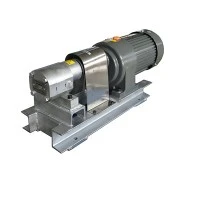


3-Section Gear-Type Synchronous Flow Divider
Three sets of precision gear motors share a single rigid synchronization shaft. As input flow enters the common inlet chamber, the shared shaft forces all three gear units to rotate at the same speed, thereby delivering three equal volumetric flow streams to drive three hydraulic cylinders in synchronized lifting or lowering. When the flow direction is reversed, the units function as a flow combiner, merging the three return streams into a single common return port.

Specification of gear flow divider
1. High rigidity, high-pressure resistance, and impact resistance: Suitable for applications involving continuous high pressure, heavy loads, and mechanical shocks; the housing resists deformation under sustained high pressure, ensuring superior synchronization accuracy and stability.
2. Reduced noise at low speeds: Operates with lower noise levels during low-speed lifting or micro-motion tasks compared to aluminum-alloy versions.
3. Broader fluid compatibility: In addition to standard mineral oils, it is compatible with water-glycol mixtures and various fire-resistant hydraulic fluids (which are generally not recommended for use with aluminum housings).
4. High-temperature resistance and creep resistance: Ideal for use in metallurgy, marine applications, and heavy-duty lifting equipment.
Applications
- Synchronized lifting platforms with three cylinders, large-scale heavy-duty lifts, and automated parking systems
- Synchronized jacking for metallurgical equipment, mining roof supports, and ship decks
- Container tilting, outrigger leveling, and three-point synchronized support for construction machinery
- Presses for woodworking and stone processing, and multi-cylinder hydraulic tooling/fixtures
FAQ:
Q1: Can a synchronous flow divider achieve perfect synchronization across three hydraulic cylinders?
A: It cannot achieve zero error. This is a form of mechanical forced synchronization, not a closed-loop servo system. Under rated conditions with similar loads, the accuracy is typically within ±2–4%. The greater the load pressure differential between the three cylinders, the more pronounced the synchronization deviation will be.
Q2: How should I choose between a cast-iron housing and an aluminum alloy housing?
A: For heavy-duty applications, continuous high-pressure operation, environments with mechanical shock, use of water-glycol fluids, or long-term low-speed operation, choose cast iron. For standard low-pressure applications, where lightweight design is required or cost is the primary consideration, choose aluminum alloy. Note that cast-iron units are heavier and have a higher unit price.
Hot Tags: 3-section gear-type synchronous flow divider, China, manufacturers, suppliers, price, Gear Type Flow Divider, Hydraulic Flow Divider, Hydraulic Flow Splitter, Hydraulic Rotary Flow Divider, Pneumatic Flow Divider, Rotary Gear Hydraulic Flow Divider
You Might Also Like


Send Inquiry